Ever felt that rush of adrenaline during a lucky spin, convinced you’re on a winning streak? The world of gambling is designed to be captivating, but beneath the surface of flashing lights and enticing sounds lies a complex reality of probability and chance. This isn’t about raining on anyone’s parade; it’s about equipping individuals with the knowledge to navigate these games with their eyes wide open.
The following will explore the real odds behind those lucky spins, debunk common gambling fallacies that can cloud judgment, and emphasize the importance of responsible gaming practices. Prepare to go beyond the illusions, arm oneself with practical insights, and make informed decisions. Understanding the game is the first step to playing it smart.
Understanding the Basics of Spin-Based Games
Spin-based games, at their heart, revolve around a simple yet captivating mechanic: the spin. Whether it’s the whirling reels of a slot machine, the roulette wheel’s hypnotic dance, or the lottery number generator, the core principle remains the same – inducing chance. The outcome of each spin is determined by a Random Number Generator (RNG), a sophisticated algorithm that produces a sequence of numbers devoid of any predictable pattern. This is the engine that drives the unpredictability and excitement inherent in these games. The RNG ensures every spin is independent, meaning past results have absolutely no influence on future spins. Imagine a virtual coin flip happening thousands of times a second; that’s essentially what the RNG does, assigning a specific outcome to each spin based on its generated number. For example, consider a slot machine with various symbols. The RNG selects a random number that corresponds to a specific combination of symbols on the reels. The paytable then determines the payout for that combination. A high-paying symbol might appear less frequently, contributing to the game’s overall volatility.
The Role of Probability and Odds
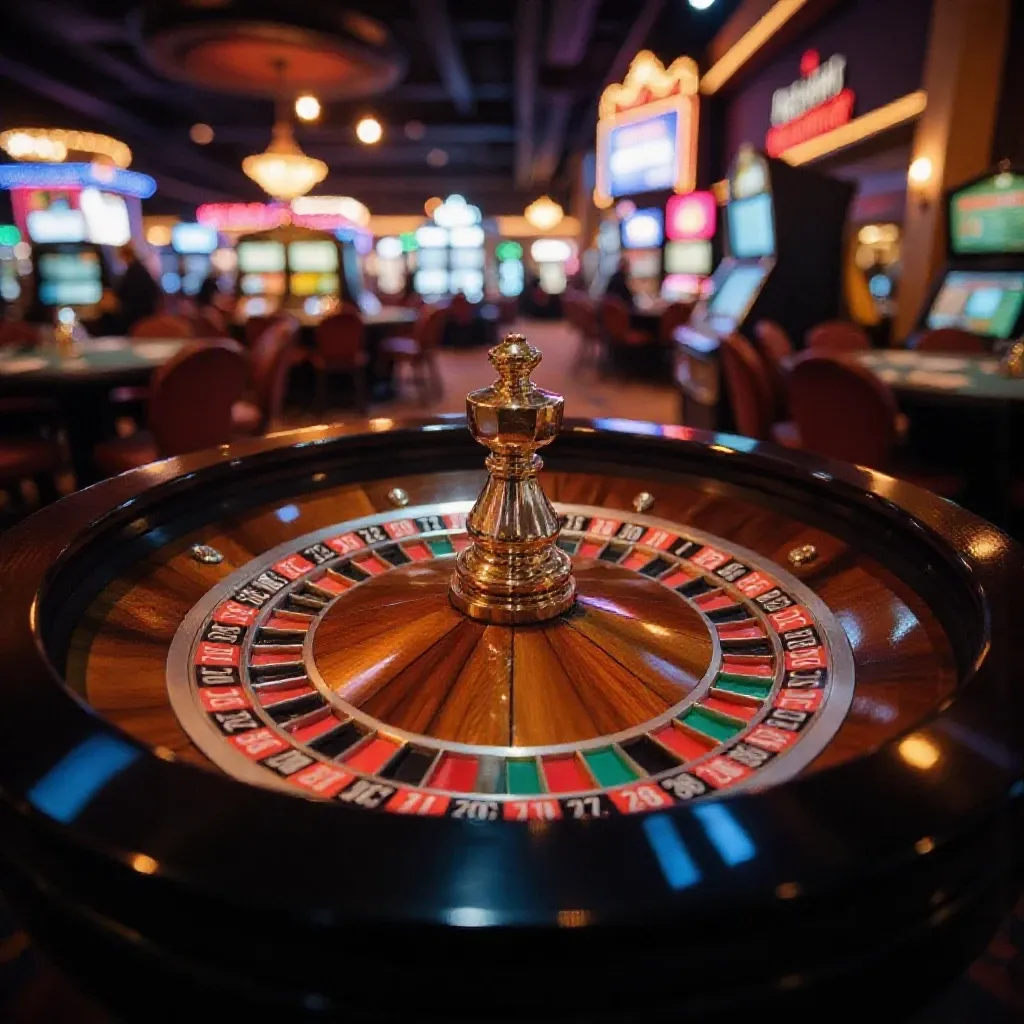
Probability and odds are the analytical tools used to understand the potential outcomes in spin-based games. Probability quantifies the likelihood of a specific event occurring, expressed as a ratio between favorable outcomes and total possible outcomes. Odds, on the other hand, represent the ratio of the probability of an event not occurring to the probability of it occurring. For instance, if a roulette wheel has 38 slots (numbers 1-36, plus 0 and 00), the probability of landing on a specific number is 1/38. The odds against landing on that number would be 37 to 1. The randomness injected by the RNG makes these calculations crucial to estimate the expected value which represents average winnings or losses when betting on the same outcome over a long period.
Defining the House Edge
The house edge is the built-in advantage the game gives to the operator. It’s expressed as a percentage and represents the average amount of money the game provider expects to retain from all bets placed over an extended period. The house edge is directly influenced by the game’s probabilities and payout structure. The higher the house edge, the less favorable the game is to the player. Complementary to the house edge is the Return to Player (RTP) percentage, which indicates the proportion of wagered money that is paid back to players over time. For example, a slot machine with a 95% RTP has a 5% house edge. This implies that, on average, for every $100 wagered, the game is expected to return $95 to players, while the operator keeps $5. Understanding the house edge is crucial for players to make informed decisions and manage their bankroll effectively.
Common Misconceptions and Gambling Fallacies
Many people approach spin-based games with pre-conceived notions that simply don’t hold up under scrutiny. These gambling fallacies can lead to poor decision-making and a frustrating experience. Understanding true randomness is the key to enjoying these games responsibly. One of the most pervasive ideas is the belief in “hot streaks.” The idea is that if you’re winning, you’re “due” for a loss, or vice-versa. However, each spin is an independent event, entirely unaffected by what came before. Thinking otherwise is a classic example of falling prey to common gambling myths. It’s easy to understand why some players spend hours trying to find lucky machines or times, without understanding the mechanics of the game.
The Gambler’s Fallacy Debunked
The gambler’s fallacy is that the independent events are somehow related. For example, imagine someone at a roulette table who has seen the ball land on black for the past five spins. He might think, “It’s bound to land on red soon!” and put a large bet on red. This is the gambler’s fallacy in action. Each spin of the roulette wheel is independent. The odds of landing on red don’t increase just because black has come up several times in a row. Like the sunk cost fallacy, where people continue investing in a losing proposition because of what they’ve already invested despite the rational choice being to cut losses, the gambler’s fallacy is simply one of the cognitive biases that cloud judgment.
Busting Myths About Game Patterns
Another common myth revolves around the belief that game outcomes are influenced by certain times of day, or discernible patterns. Some players are convinced that gaming machines “loosen up” at night or that following a specific betting pattern will somehow increase their chances of winning. The reality is that modern spin-based games rely on Random Number Generators (RNGs). RNGs are designed to ensure that every outcome is completely random and unpredictable. Therefore, trying to recognize patterns is an exercise in futility, as the human brain seeks patterns even where none exist, leading to an illusion of control. There are no game patterns to be found, just pure randomness.
Strategies for Smarter Play
Engaging in responsible gaming revolves around adopting smart strategies that prioritize control and enjoyment, rather than chasing elusive wins. Forget about strategies that promise to beat the system – those are myths. Real strategy in responsible gaming is about managing your resources and making informed choices to extend your playtime and minimize potential losses.
Budgeting Techniques and Tips
Treat your gaming budget like any other financial plan. Determine a fixed amount you’re comfortable spending, whether it’s a specific dollar figure or a percentage of your disposable income. Think of it like your monthly entertainment allowance – once it’s gone, it’s gone until the next cycle. Effective bankroll management involves dividing your total budget into smaller increments for each gaming session, preventing you from depleting your funds too quickly. By carefully tracking your spending, you gain better insight into your gaming habits and can adjust your budget accordingly.
Choosing Games Responsibly
Not all games are created equal. Before diving in, take the time to research the games you’re interested in. Look for those with a higher Return to Player (RTP) percentage, which indicates the average amount the game pays back to players over time. Consider the game’s volatility; low-volatility games offer more frequent but smaller wins, while high-volatility games have less frequent but potentially larger payouts. Understand the paytables, bonus features, and rules of each game to make informed decisions that align with your risk tolerance and gaming goals. Remember, knowledge is power – and in the world of gaming, it can help you make smarter choices.
Managing Expectations and Staying in Control
Responsible gambling is about enjoying the thrill without letting it take over. Before diving into the excitement, decide on a budget and stick to it. Think of it as entertainment money – once it’s gone, the show’s over! Set a timer too; it’s easy to lose track of time when you’re on a roll. Many casinos offer tools like deposit limits and session reminders to help you stay in control. Use them! They’re there to help you manage your game responsibly.
Losing is part of the game. Don’t try to win back losses with bigger bets – that’s a slippery slope. It’s crucial to recognize when gambling stops being fun and starts becoming a problem. If you find yourself thinking about gambling constantly, hiding your gambling habits from others, or borrowing money to gamble, it might be time to take a step back and seek help.
There are tons of resources available for responsible gambling. Explore the tools that casinos offer to control your spendings and the time you are playing. If you are starting to identify problems, use self-exclusion programs to block yourself from gambling sites.
Recognizing the Signs of Problem Gambling
Gambling addiction can creep up on you. Watch out for signs like needing to increase your bets to get the same thrill, trying to win back losses with even bigger bets (loss chasing), and neglecting responsibilities like work or family. If gambling is causing problems in your relationships or finances, it’s a red flag. Compulsive gambling can feel like an uncontrollable urge, so recognizing these signs early is half the battle.
Using Responsible Gambling Resources
If you think you might have a gambling problem, remember you are not alone. There are many responsible gambling resources that can help. Helplines offer confidential support and advice. Support groups provide a safe space to share experiences and learn from others. Self-exclusion programs allow you to voluntarily ban yourself from casinos and online gambling sites. Don’t hesitate to reach out and use these resources – they’re designed to help you regain control.
Conclusion
Spin-based games are a whirlwind of chance, where luck reigns supreme. Understanding the true probabilities, being aware of common gambler’s fallacies such as chasing losses or believing in hot streaks, and setting limits are critical for a positive gaming experience. The odds are always in favor of the house, therefore approaching these games with realistic expectations is vital.
While the thrill of a potential win is enticing, the primary purpose of these games should be entertainment. Responsible attitudes such as sticking to a budget, recognizing when to stop, and balancing play with other activities help ensure that gambling enhances one’s life rather than detracting from it. By making informed decisions and focusing on the joy of games, fun is the real reward.